A new study from the USC Leonard Davis School of Gerontology suggests that the health benefits of the Mediterranean diet may be driven by tiny mitochondrial proteins, offering new insight into how diet influences aging and disease risk.
Researchers found that individuals who closely followed the Mediterranean diet had higher levels of two key mitochondrial microproteins—humanin and SHMOOSE. These molecules are linked to protection against cardiovascular disease and neurodegenerative conditions. Acting as cellular messengers, they appear to translate dietary patterns into improved cellular function and resilience.
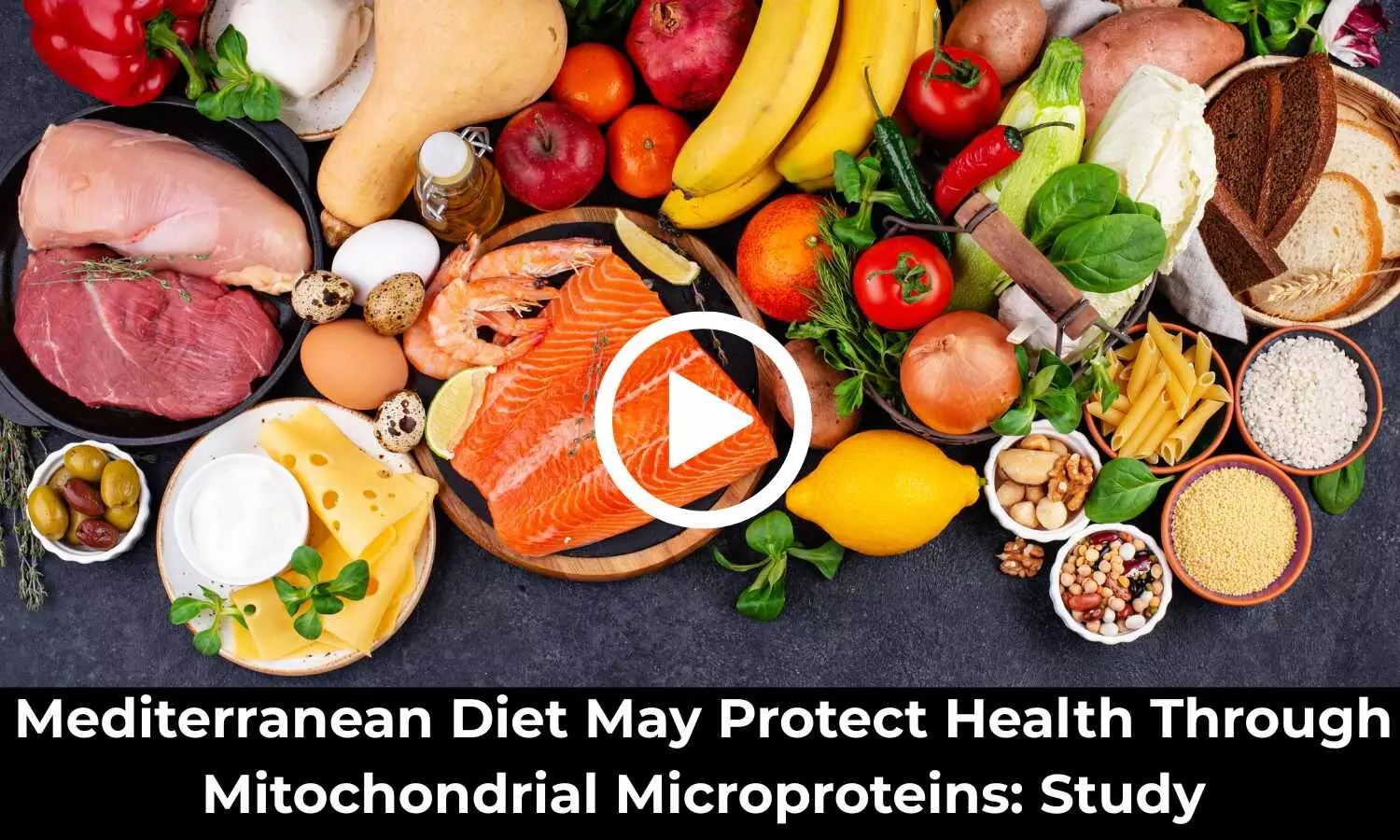
The study analyzed blood samples from older adults and showed that higher adherence to the diet was associated with increased levels of these microproteins and reduced oxidative stress, a key factor in aging and chronic disease. Specific foods played a role: olive oil, fish, and legumes were linked to higher humanin levels, while olive oil and reduced refined carbohydrate intake were associated with increased SHMOOSE.
These findings highlight a novel biological pathway connecting nutrition with mitochondrial health. Humanin, first identified in 2003, has been associated with improved insulin sensitivity, heart health, and cognitive protection. SHMOOSE, a more recently discovered peptide, is linked to brain health and may help protect against Alzheimer’s disease.
Researchers also observed that higher humanin levels were associated with lower activity of harmful enzymes that generate cellular damage, suggesting an additional cardioprotective mechanism.
Although observational, the study opens the door to “precision nutrition,” where biomarkers like mitochondrial peptides could guide personalized dietary strategies aimed at promoting healthy aging and reducing disease risk.
REFERENCE: Vicinanza, R., et al. (2026). Mediterranean diet adherence is associated with mitochondrial microproteins Humanin and SHMOOSE; potential role of the Humanin–Nox2 interaction in cardioprotection. Frontiers in Nutrition. DOI: 10.3389/fnut.2025.1727012. https://www.frontiersin.org/journals/nutrition/articles/10.3389/fnut.2025.1727012/full
Study Reveals Mediterranean Diet Linked to Mitochondrial Proteins That Support Healthy Aging
