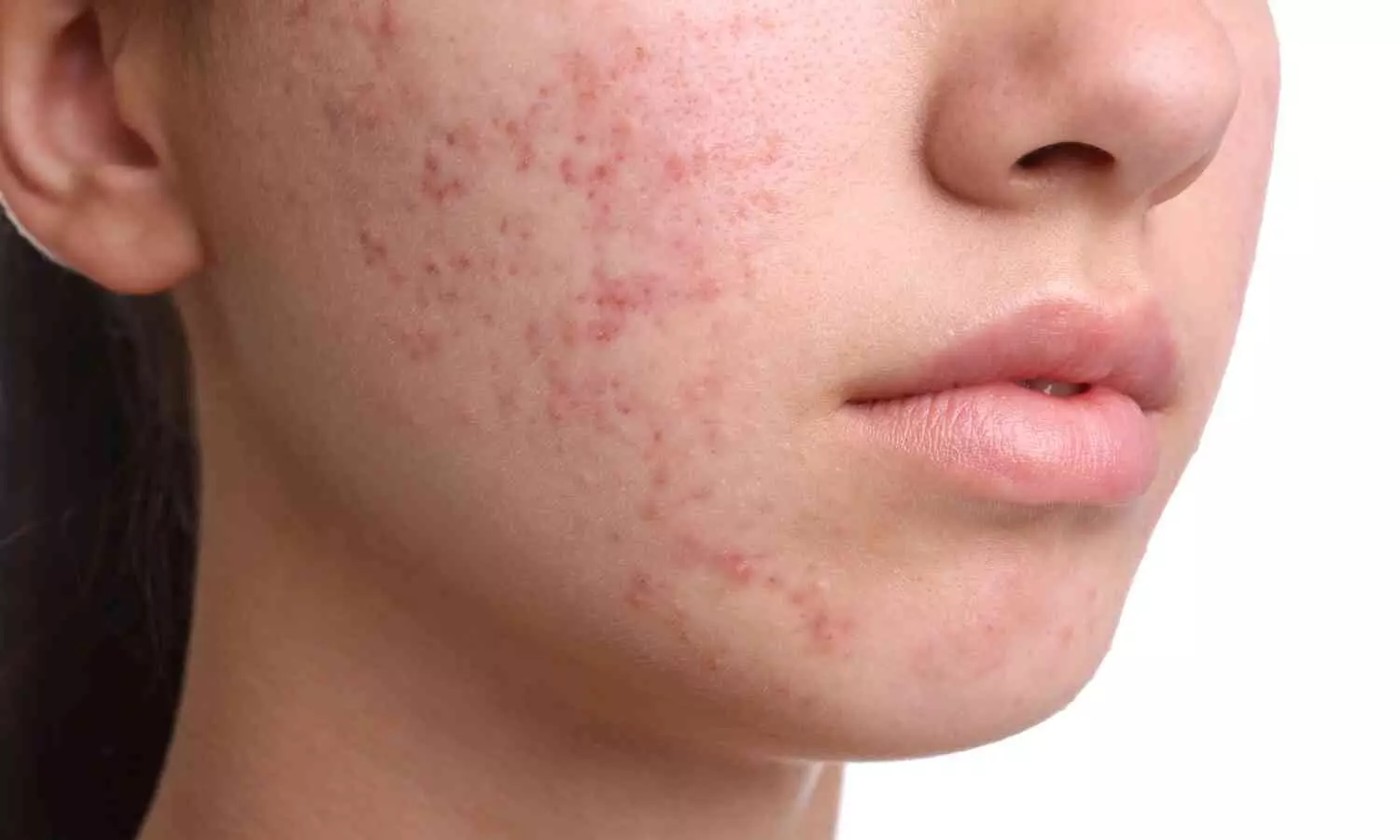
India: Researchers have found in a new study that regular consumption of almonds was associated with a reduction in acne lesion count, improvement in skin microbial diversity, and better acne-specific quality of life. These findings suggest that almonds may serve as a beneficial dietary complement to standard acne treatments and support overall skin health.
The study, published in the MDPI journal
Nutrients, was conducted by Panchali Moitra from the Department of Postgraduate Programs and Research at Sir Vithaldas Thackersey College of Home Science, SNDT Women’s University, Mumbai, and colleagues. The investigators conducted a randomized, controlled, parallel-group trial to examine whether daily almond intake could influence acne severity and skin-related parameters in young adults with mild to moderate acne vulgaris.
A total of 74 participants aged 18 to 35 years were enrolled in Mumbai, India. The experimental group (n = 36) consumed 60 grams of whole, unsalted almonds with skin daily, while the control group (n = 38) received calorie-matched cereal- and pulse-based snacks. The intervention lasted 20 weeks. The primary outcomes included changes in inflammatory, non-inflammatory, and total acne lesion counts. Secondary outcomes assessed facial sebum levels, skin hydration, skin morphology, microbial composition, and selected biochemical measures.
The researchers reported the following findings:
By week 20, the almond group showed a greater reduction in total acne lesion counts compared with the control group (−22.2% vs −9.8%).
Inflammatory lesions decreased by 8.3% in the almond group, whereas they increased by 12% in the control group.
Non-inflammatory lesions were reduced by 26.1% in participants consuming almonds compared with a 20.4% reduction in controls.
Objective assessments demonstrated significant reductions in acne lesion volume, surface area, and height—both for individual lesions and clustered lesions—in the almond group.
Skin microbial diversity improved in the almond group, with the Shannon diversity index increasing from 2.6 to 3.4.
The Chao1 richness index also rose substantially, from 266.9 to 835.2.
Significant improvements were observed in acne-specific quality of life scores.
Anxiety symptoms were significantly reduced among participants in the almond group.
The authors noted certain limitations, including the modest sample size and the 20-week duration, which may not capture the long-term sustainability of benefits. Microbiome analyses were performed in a subset of participants due to logistical and financial constraints. Although the trial was powered for primary clinical endpoints, the findings are considered preliminary and warrant confirmation in larger and more diverse populations.
Overall, the study highlights the potential of a simple, food-based intervention to support dermatological health. With adult acne on the rise and growing interest in lifestyle-driven management strategies, almonds may represent a practical and nutrient-dense addition to conventional acne care. Future research incorporating advanced microbiome profiling and metabolic assessments may further clarify the biological pathways linking diet, skin health, and systemic well-being.
Reference:
Moitra, P., Madan, J., Shah, K., Mandavkar, P., Joshi, R., Kalita, S., & Udipi, S. A. (2026). Almond Supplementation Improves Acne Lesions and Skin Microbial Diversity in Adults with Mild to Moderate Acne Vulgaris. Nutrients, 18(4). https://doi.org/10.3390/nu18040625
