A recent study published in Clinical Nutrition investigated the bidirectional relationship between dietary flavonoid intake and psychological well-being (PWB), highlighting how nutrition and mental health may interact to influence long-term health outcomes.
Higher levels of PWB are linked with better quality of life, lower mortality risk, and reduced incidence of chronic diseases such as cardiovascular disease and diabetes. Researchers note that individuals with greater well-being often adopt healthier lifestyle behaviours, including regular physical activity and balanced diets, which further reinforce positive mental health.
Dietary patterns rich in fruits, vegetables, and whole grains have consistently been associated with lower risks of depression and other adverse mental health outcomes. Many of these foods contain flavonoids—bioactive polyphenolic compounds abundant in berries, citrus fruits, apples, onions, tea, and cocoa.
Flavonoids are known to exert neuroprotective effects by reducing neuroinflammation, regulating neurotransmitter activity, supporting neurogenesis, and enhancing synaptic plasticity. They may also influence mental health through interactions with the gut microbiome, which produces metabolites capable of affecting brain signalling pathways.
To explore this relationship, researchers analysed data from the Nurses’ Health Study involving more than 44,000 women. Participants reported their dietary habits through food-frequency questionnaires over a ten-year period.
Results showed that higher intake of flavonoid-rich foods was modestly associated with a greater likelihood of sustained happiness and optimism. Fruits such as strawberries, blueberries, apples, oranges, and grapefruit were particularly linked to improved well-being.
Interestingly, women who reported higher happiness or optimism were also more likely to maintain higher flavonoid intake over time, suggesting a reinforcing, bidirectional relationship between healthy eating and psychological well-being.
Reference: Thompson, A.S. et al. (2026) Dietary flavonoid intake and psychological well-being – A bidirectional relationship. Clinical Nutrition. 58, 106579. DOI: 10.1016/j.clnu.2026.106579. https://www.clinicalnutritionjournal.com/article/S0261-5614(26)00006-3/fulltext
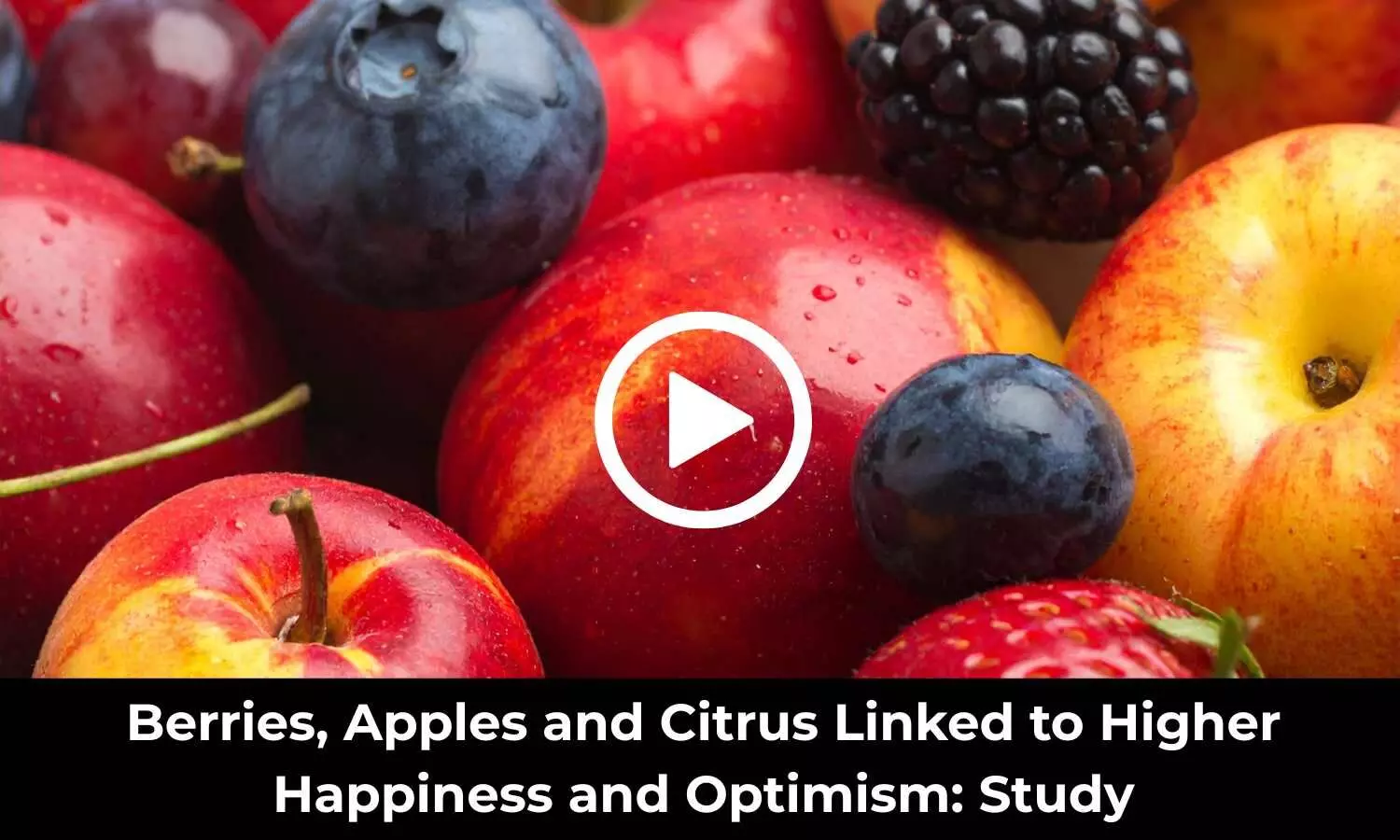
Berries, Apples and Citrus Linked to Higher Happiness and Optimism: Study
